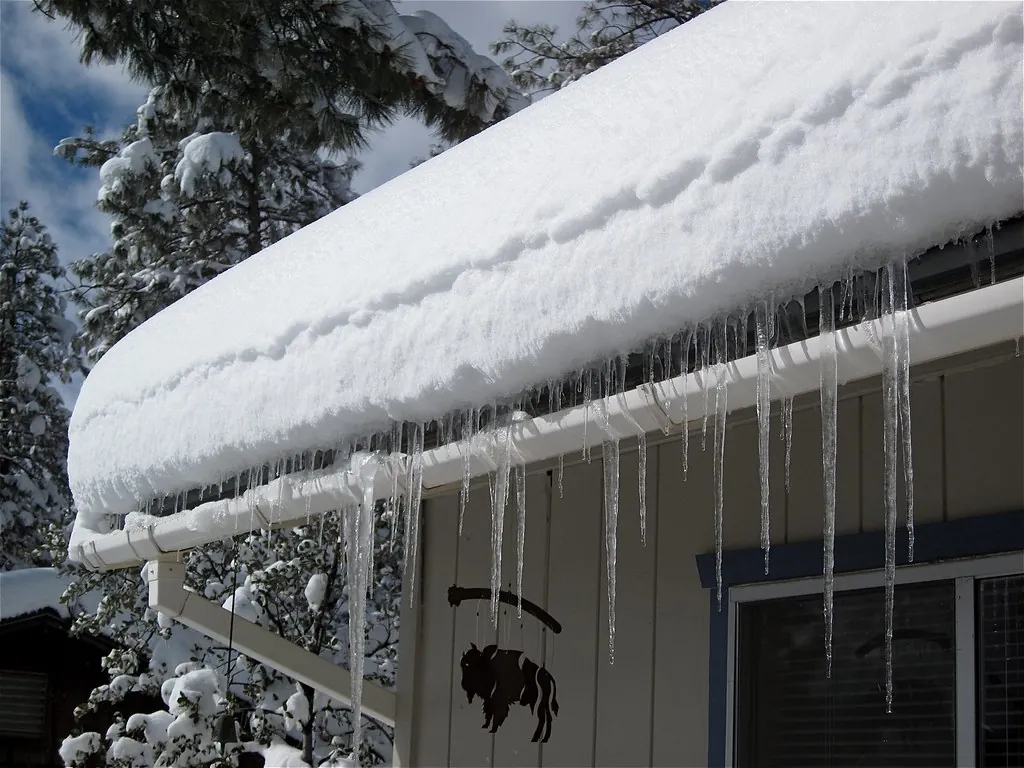
Why ice dams cause so many claims
An ice dam roof leak claim often starts with a stain on a bedroom ceiling in February. Heat escaping through the attic melts snow on the upper roof; the meltwater runs down to the colder eaves and refreezes, building a ridge of ice. Water then pools behind the ridge, backs up under shingles and finds its way into walls and ceilings.
New York is prime territory for this. Lake-effect snow off Lake Erie and Lake Ontario regularly buries Buffalo, Rochester, Syracuse and the Tug Hill Plateau, and long freeze-thaw cycles in the Capital Region, the Hudson Valley and the Southern Tier create the same conditions. Older wood-frame and Victorian homes with limited attic insulation are especially vulnerable.
How many policies treat ice dam damage
Policy wording varies, so read yours. In general terms, many homeowners policies cover sudden interior water damage caused by ice dams, while excluding or limiting damage to the roof itself that results from wear, poor maintenance or long-term deterioration. Some policies specifically address damage from the weight of ice, snow or sleet.
- Often covered: damaged drywall, plaster, insulation, flooring and finishes inside the home
- Often disputed: shingles, underlayment, gutters and fascia at the eaves
- Often excluded: repeated seepage over many seasons, and wear and tear
Where carriers and owners disagree
Scope of interior damage
Water from an ice dam can travel inside a wall cavity well beyond the visible stain. A carrier estimate that covers one ceiling patch may miss wet insulation, damaged plaster on lath or swollen hardwood. Moisture readings and photos taken while the damage is fresh are the best evidence.
Roof repairs and code items
When shingles at the eaves must be removed to repair the leak, questions follow about ice-and-water shield, drip edge and other items local codes may require. Whether code upgrades are paid often depends on ordinance or law coverage in your policy.
Matching
Replacing a few courses of shingles that no longer match the rest of the roof, or patching one section of an original plaster ceiling, raises matching questions. How your policy treats matching can significantly change the estimate.
Documenting the loss
Ice dam claims are won and lost on documentation captured in the first days:
- Photograph the ice dam itself from the ground, with a date stamp if possible
- Photograph every interior stain, drip and damaged surface before cleanup
- Record moisture readings if a mitigation company takes them, and keep its report
- Keep receipts for roof raking, steaming, tarping and drying equipment
- Note snow depth and temperatures, or save local weather reports for the dates
Reasonable mitigation, such as hiring a contractor to steam channels through the dam, is generally expected under most policies and may itself be part of the claim.
Timing matters in winter claims
Ice dam leaks often appear in stages: a small stain during one thaw, then a larger leak a few weeks later. Report the loss promptly when you first notice it, and update the carrier in writing if new damage appears. Delayed reporting gives the carrier room to argue that damage came from long-term seepage or that later damage could have been prevented. It also helps to keep a simple log of when you saw each stain, what you did about it and who you spoke to. That record is useful whether the dispute ends in a supplement, an appraisal or a conversation with a New York attorney.
Snow load is a different problem
Ice dams are about water; snow load is about weight. Heavy lake-effect events, such as the November 2014 storm in the Buffalo area, can push roofs past their design capacity and cause sagging, cracked rafters or collapse. Those claims involve structural assessment rather than leak tracing. Our snow load and ice dam appraisal page covers both.
When appraisal makes sense
If the carrier has accepted your ice dam claim but its estimate leaves out wall cavities, insulation, code items or matching, appraisal may be a practical way to resolve the gap. Start by comparing estimates line by line, and use our roof area and pitch estimator to sanity-check roofing quantities. If you would like a second opinion, reach out with your estimates and photos.