New York windstorms that reshape claims
Inland New York has a history of fast, violent wind events. The Labor Day 1998 derecho tore through Syracuse and Central New York, and the May 2018 severe storms in the Hudson Valley produced several tornadoes and widespread tree damage. Most summers bring microbursts somewhere in the state. A thorough wind damage appraisal captures the whole chain of loss, not just the obvious missing shingles.
Typical wind losses we value
- Lifted, creased or missing shingles and torn ridge caps
- Vinyl and aluminum siding blown off or cracked
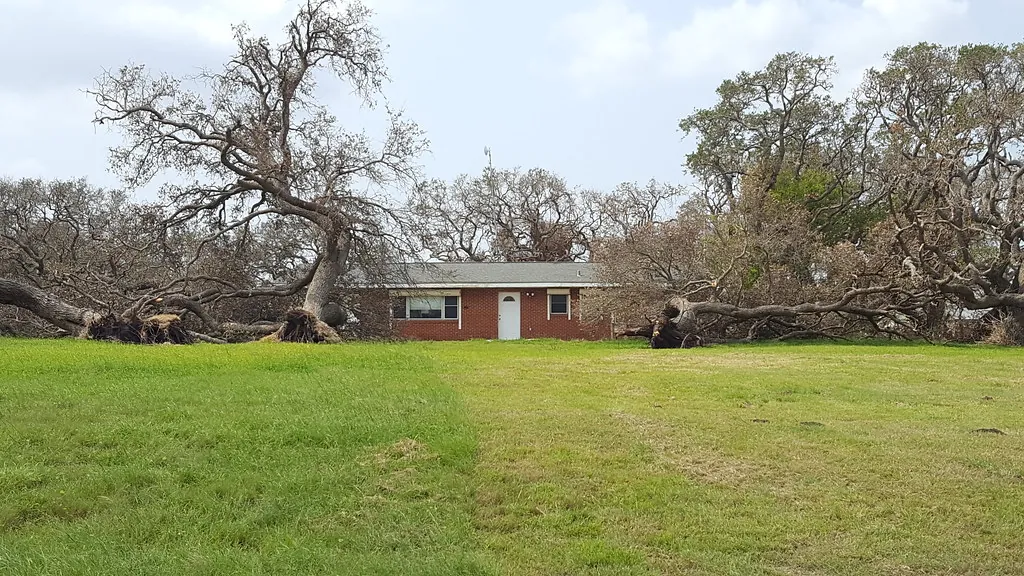
- Tree fall onto roofs, decks, garages and fences, including removal costs where the policy covers them
- Interior water damage through openings the wind created
- Detached structures, from sheds to pole barns on rural properties
Separating wind from wear
Insurers often argue that shingles failed because of age or poor installation. We look at the pattern: direction of creasing, where debris landed, which slopes face the storm track and whether neighbouring homes show similar damage. That evidence helps the panel settle the amount, although a true causation dispute may need a coverage conversation as well.
We also look closely at how the carrier priced the repair once wind damage was accepted. Common gaps include spot repairs on shingles too brittle to lift without breaking, siding replaced on one wall when the product line no longer matches, and tree removal billed at a fraction of what local crews charge after a storm. In the days after a large event, contractor demand spikes across the affected region, and estimates written from standard price lists may not reflect what it actually costs to get the work done in places like Onondaga County or Dutchess County that week.
Which deductible applies?
Inland, most windstorms fall under the standard deductible. Closer to the coast, some Long Island, New York City and Westchester policies carry a percentage windstorm or hurricane deductible triggered only by the event the policy defines. Our hurricane deductible calculator shows how a percentage deductible works, and our hurricane and nor’easter appraisal page covers coastal storms.
Getting from estimate to award
We inspect, measure and price the loss for your local market, from Syracuse to the Hudson Valley, and then work with the insurer’s appraiser to narrow the differences. If tree fall is part of the claim, we include arborist reports and removal invoices so the panel sees the real cost. Neighbours’ photos and municipal storm reports can also help establish what the storm did on your street.
Questions about windstorm & tornado appraisal
Does my policy pay to remove a fallen tree?
Many New York homeowners policies pay to remove a tree that damaged a covered structure, often with a limit. Trees that fall without hitting anything are frequently excluded, so check your policy.
Is a tornado claim handled differently from other wind claims?
The appraisal process is the same. Tornado losses are often larger, so rebuild costs, code upgrades and debris removal limits become more important.
Can you help if my claim was denied as wear and tear?
Appraisal values the amount of an accepted loss. If the insurer denied the claim for wear and tear, that is usually a coverage issue to discuss with a New York attorney.