Why the source of the water decides everything
Basement water is one of the most common property losses in New York, and one of the most disputed. The question of sewer backup vs flood, or a burst pipe, is not just a technicality: each source usually falls under a different coverage, with different limits and deductibles, and sometimes under no coverage at all.
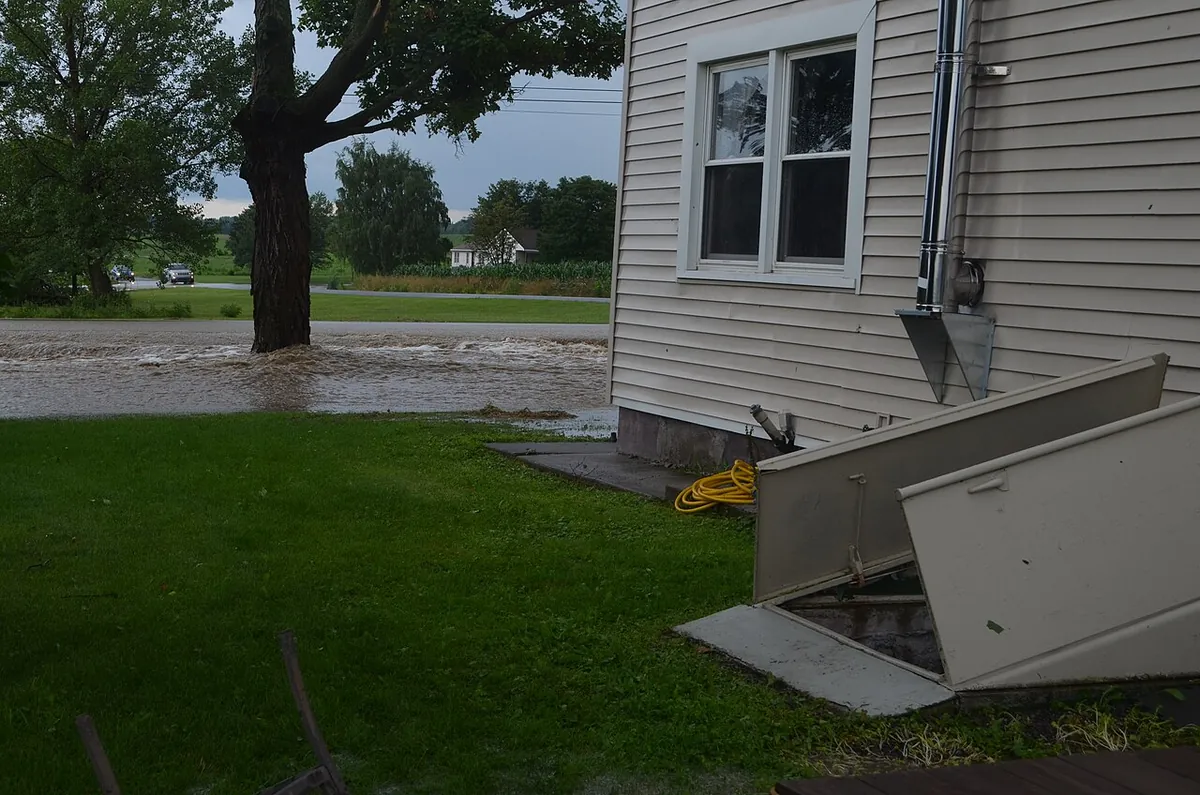
The remnants of Hurricane Ida on September 1, 2021, made this painfully clear. Intense rainfall overwhelmed drainage across Queens, Brooklyn, Westchester and beyond, and many homeowners found water entering through floor drains, window wells and foundation walls at the same time.
The three usual sources
| Source | Typical coverage | Common issues |
|---|---|---|
| Sudden pipe burst or appliance leak | Homeowners policy, if sudden and accidental | Long-term seepage exclusions, frozen pipe conditions |
| Water backing up through sewers or drains | Optional sewer or drain backup endorsement | Low sublimits, no endorsement purchased |
| Surface water or rising water from outside | NFIP or private flood policy | Basement limits under flood policies, separate deductible |
Policies define these terms in their own words, so treat the table as a general guide only.
Sewer and drain backup
Standard homeowners policies generally exclude water that backs up through sewers or drains unless you bought an endorsement adding it back. Those endorsements often carry their own limit, sometimes modest compared with the cost of finishing a basement, so check the limit on your declarations page.
Signs of backup include water emerging from a floor drain, toilet or laundry standpipe, often with sewage odor or debris. Photograph the drain, any visible residue, and the water level.
Flood
Flood, including surface water and storm surge, is excluded from homeowners policies. Flood coverage usually comes from the National Flood Insurance Program or a private flood policy. NFIP policies generally limit coverage in basements to certain items, such as essential building systems, so a finished basement may receive less than owners expect. The NFIP policy has its own appraisal provision, limited to certain disputes over value, and its own claim procedures and deadlines.
Burst pipes and frozen pipes
A pipe that bursts suddenly is often covered by a homeowners policy, but conditions apply. Many policies limit coverage for freezing damage if the home was not heated or the water was not shut off while unoccupied. Damage from slow leaks over weeks or months is commonly excluded. Our burst pipe and water damage appraisal page covers how these losses are scoped.
When sources overlap
In heavy rain, water can enter through drains and foundation walls at once. Carriers may then try to allocate damage among sources, or deny under an exclusion. Evidence helps:
- Photos or video showing where water entered and in what order
- A plumber’s report on whether the sewer line or a check valve failed
- Water lines on walls, which may indicate depth and duration
- Neighbors’ experiences and local reports of street flooding
Where appraisal fits
Which source caused the damage is usually a coverage question. Once the carrier accepts a source, a disagreement over the cost of drywall, flooring, mechanicals or mitigation is the kind of amount dispute appraisal is designed for.
Mitigation and mold
Whatever the source, most policies expect reasonable steps to limit further damage. In a basement, that usually means extracting water, removing soaked carpet and padding, and drying walls and framing quickly. Keep invoices and the drying logs from any mitigation company, because they help prove both the extent of the damage and that you acted promptly. Many policies limit coverage for mold, so fast drying protects both your home and your claim. If the carrier questions the mitigation bill, that cost may itself become part of an amount dispute.
Next steps
Read your declarations page for a sewer backup endorsement and its limit, confirm whether you have flood coverage, and document the source before cleanup. If an accepted claim seems undervalued, our appraisal readiness checkup can help you decide whether you are ready to move forward.